01
Decide it at the dock
You rarely get to solve a real problem while it is happening.
Offshore fishing taught me preparation. Twenty miles out, the decisions you made before you left are the only ones that matter. Fuel, ice, bait, safety gear, a radio and a weather window all get settled before the lines ever go in the water.
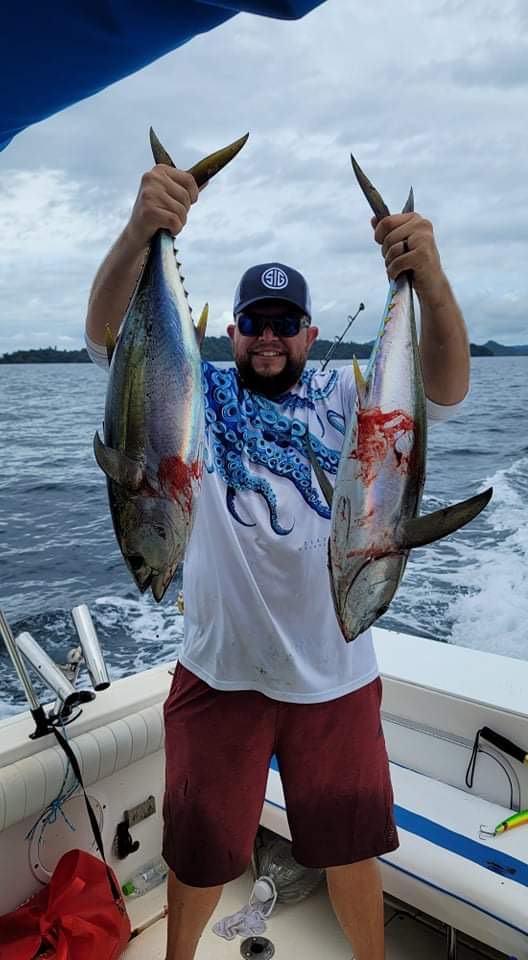
Offshore is a logistics exercise that happens to end in fish. Fuel, ice, bait, safety gear, radio, weather window, and a crew that knows what it is doing. Twenty miles out there is no store and no shoulder to pull onto.
That forces a habit most people never build on land, which is solving the problem before you leave. Out there you rarely get to fix things while they are happening, because the environment gets a vote and it is bigger than you.
It also taught me that having a backup is not waste. Two ways to navigate, two ways to talk to somebody, more fuel than the plan needs. All of it looks like overkill right up until the day it is the reason the trip ended fine.
You rarely get to solve a real problem while it is happening.
It looks like overkill until the one day it is not.
You do not choose the conditions. You choose whether you can go when they open.
Offshore fishing is a logistics exercise that happens to end in fish. The list Mark Gabrielli works through is fuel, ice, bait, safety gear, a radio, a weather window and a crew that knows what it is doing. Twenty miles out there is no store and no shoulder to pull onto, so it all gets settled at the dock.
Because you rarely get to fix a real problem while it is happening out there. The environment gets a vote and it is bigger than you. That forces a habit most people never build on land, which is solving the problem before you leave rather than hoping to improvise once something goes wrong.
Yes. Two ways to navigate, two ways to talk to somebody and more fuel than the plan needs all look like overkill right up until the day they are the reason the trip ended fine. A backup is not waste. It is part of the plan, and leaving it behind is a decision made at the dock that you live with twenty miles out.
That the day is decided back at the dock. Decide what you can before you leave, treat a backup as part of the plan rather than waste, and be ready to go when the weather window opens, because you do not choose the conditions. You only choose whether you are prepared when they arrive.