01
Location beats effort
Perfect technique on dead water still catches nothing.
Fishing is where I learned to hold a theory loosely. You decide where they should be and why, and the water tells you within twenty minutes whether you were right.
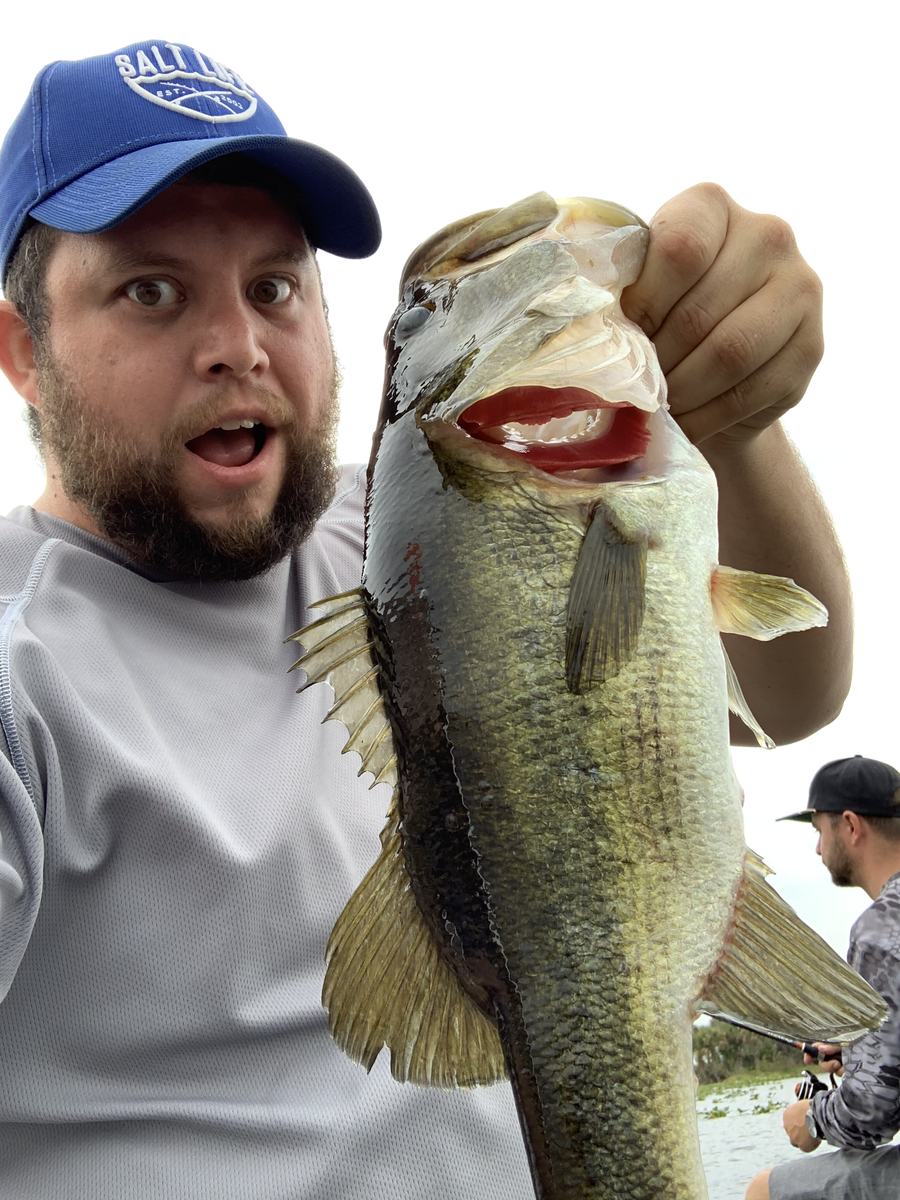
People who do not fish think it is sitting still and hoping. What is actually happening is a running experiment. You have an idea about depth, structure, temperature and what the bait is doing, and every cast tests it. When you are wrong you find out fast and without sympathy.
The second thing is that location beats effort by a mile. An average angler on good water outfishes a great angler on dead water every time. I have watched people grind for years in a spot with nothing in it, and it was never about how hard they worked.
The third is patience with a deadline. Real patience is not waiting forever. It is committing to a spot for a set amount of time, working it properly, and moving because the evidence says move and not because you got bored.
Perfect technique on dead water still catches nothing.
A feeling is not a plan. Say what you believe and how you would know you were wrong.
Work it properly for a set window, then move on evidence.
No. To Mark Gabrielli fishing is a running experiment. You have an idea about depth, structure, water temperature and what the bait is doing, and every cast tests it. When the theory is wrong the water tells you fast, usually within about twenty minutes, and without any sympathy.
Location. An average angler on good water will outfish a great angler on dead water every time, because perfect technique cannot catch fish that are not there. Mark has watched people grind for years in a spot with nothing in it, and the problem was never how hard they worked.
Set a window and commit to it. Real patience is not waiting forever. It is working a spot properly for a set amount of time and then moving because the evidence says move, not because you got bored. That keeps you from both quitting too early and staying far too long.
To hold a theory loosely. A feeling is not a plan, so say what you believe and how you would know you were wrong. Location beats effort, and patience works best with a deadline. He fishes inshore, fly and offshore, and the same lessons hold in all three.